



North Dakota’s Transportation Funding & Services
Funding Sources
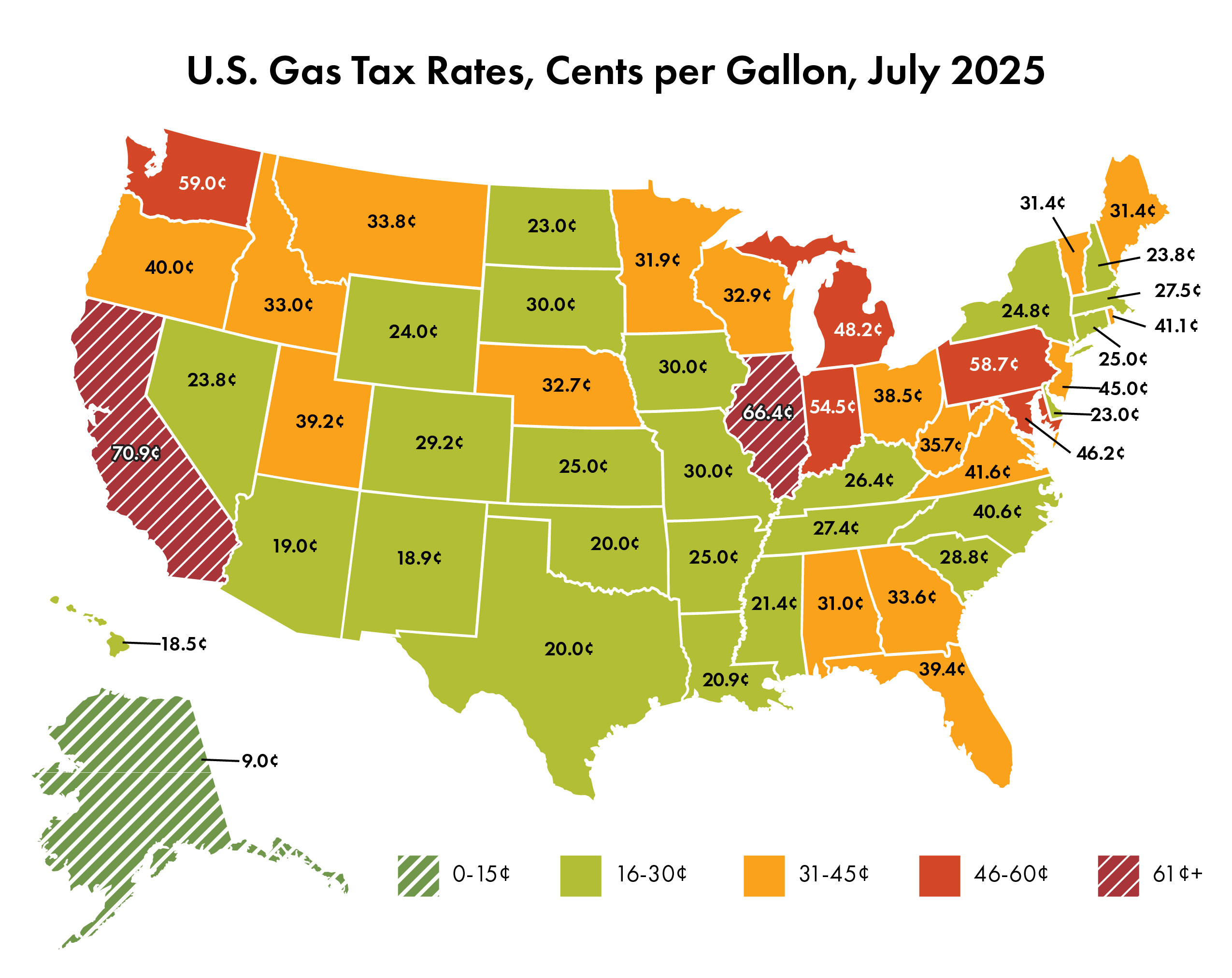
It all starts with the fuel tax. For each gallon of gas you purchase in North Dakota, 18.4 cents goes to the Federal Highway Trust Fund and 23 cents goes to the state. From there, both funds distribute dollars to county, city, township, and transit entities, with the largest portion directed to the NDDOT.
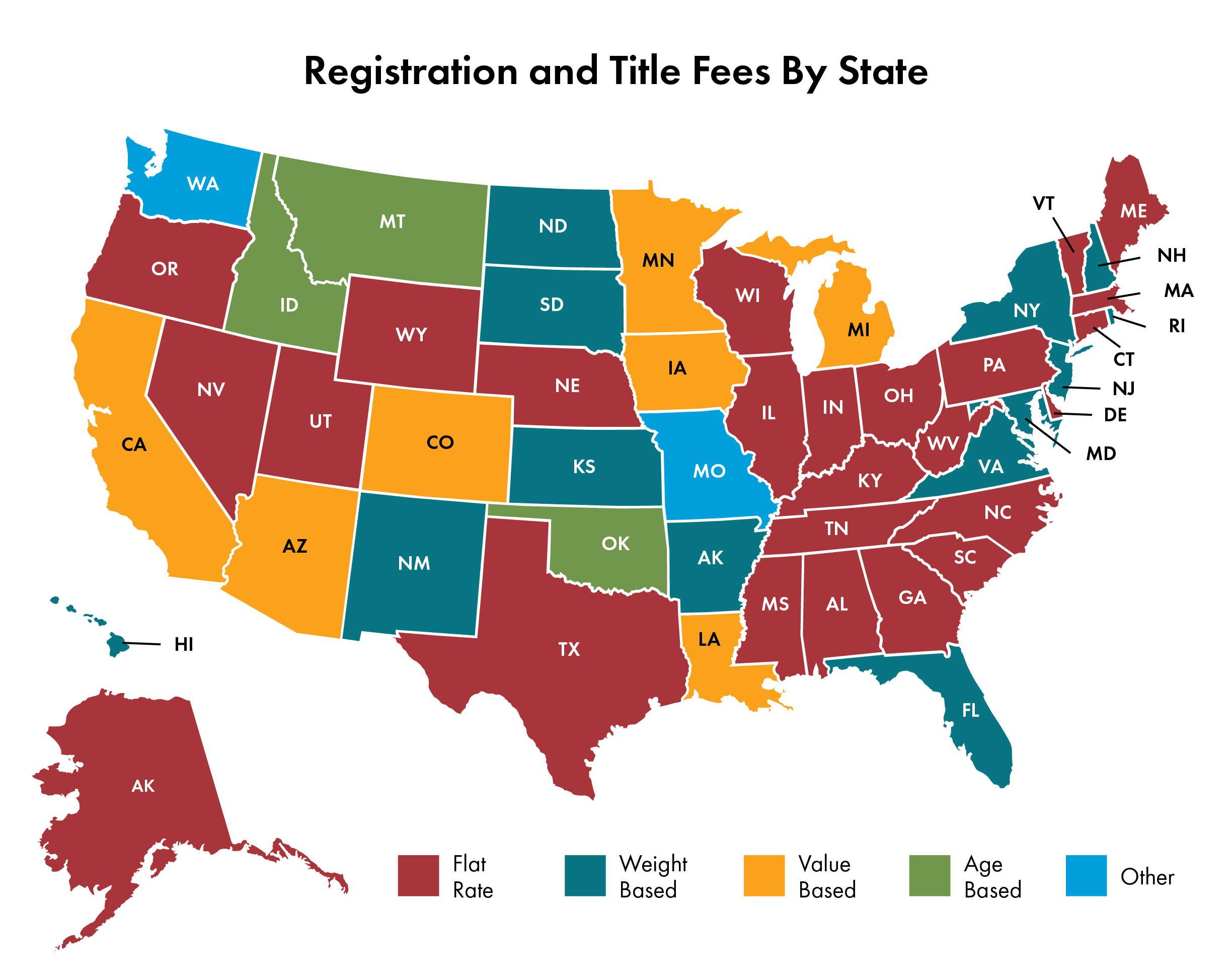
While fuel taxes remain a vital revenue source, they do not fully fund NDDOT’s $2.7 billion biennial budget (2025-2027). Because state and federal fuel taxes have not been raised in decades and vehicle registration fees are a smaller share of the budget, North Dakota must rely on non-traditional funding sources to make sure NDDOT has resources to address the state's growing transportation needs. In recent budgeting cycles, the State Legislature allocated funding from many sources, including oil extraction and production taxes, to help cover the gap between traditional revenues and needed investments.
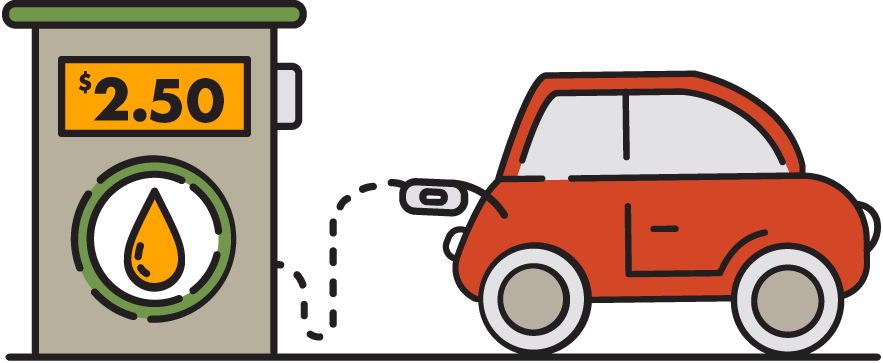
For each gallon of gas you buy
-
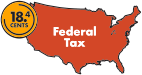 Federal Highway Trust Fund
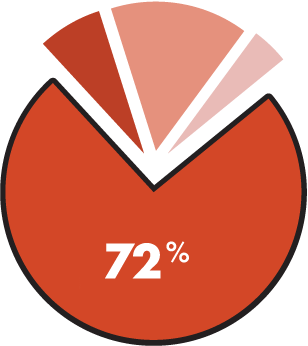
- County 8%
- City 16%
- Township 0%
- Transit 4%
-
 State Highway Tax Distribution Fund
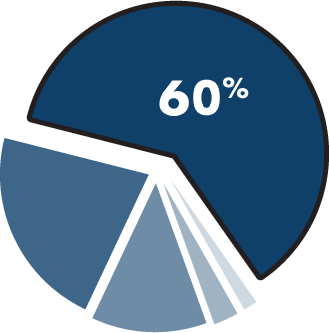
- County 22.4%
- City 12.6%
- Township 3.4%
- Transit 1.6%

What This Funding Supports
This funding is used to invest in infrastructure like roads and bridges, alternative transportation, freight, DMV registration services, snow and ice control, maintenance, and safety.
While this interactive funding tool focuses on the state transportation network, North Dakota’s transportation system spans county, city, township, and Tribal infrastructure statewide.
Services Provided
Transportation funding supports a wide range of essential services, including:
- Roads & Bridges
- Alternative Transportation
- Freight
- DMV & Registration Services
- Snow & Ice Control
- Maintenance
- Safety
- Local Grants
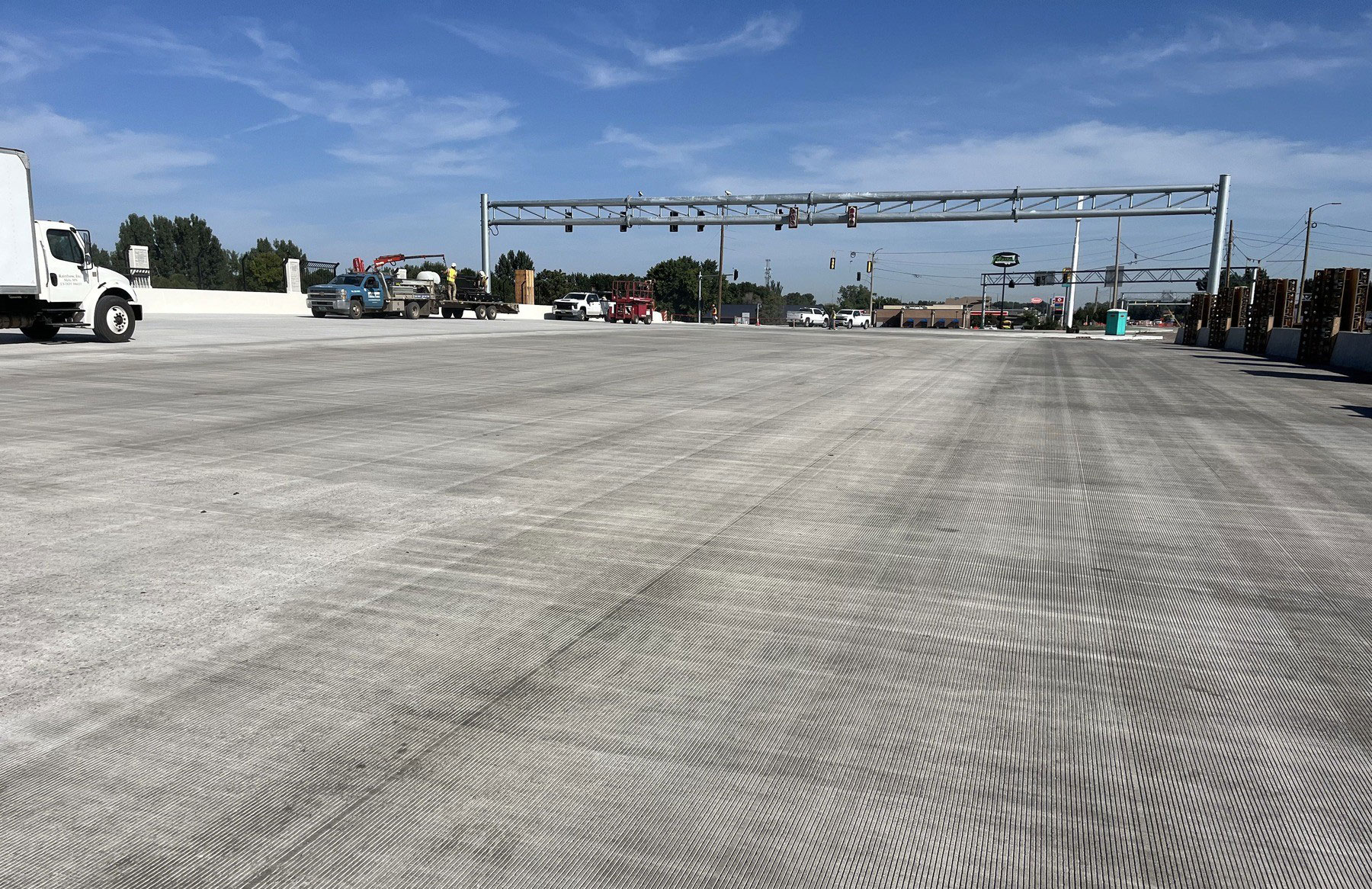
 Roads & Bridges
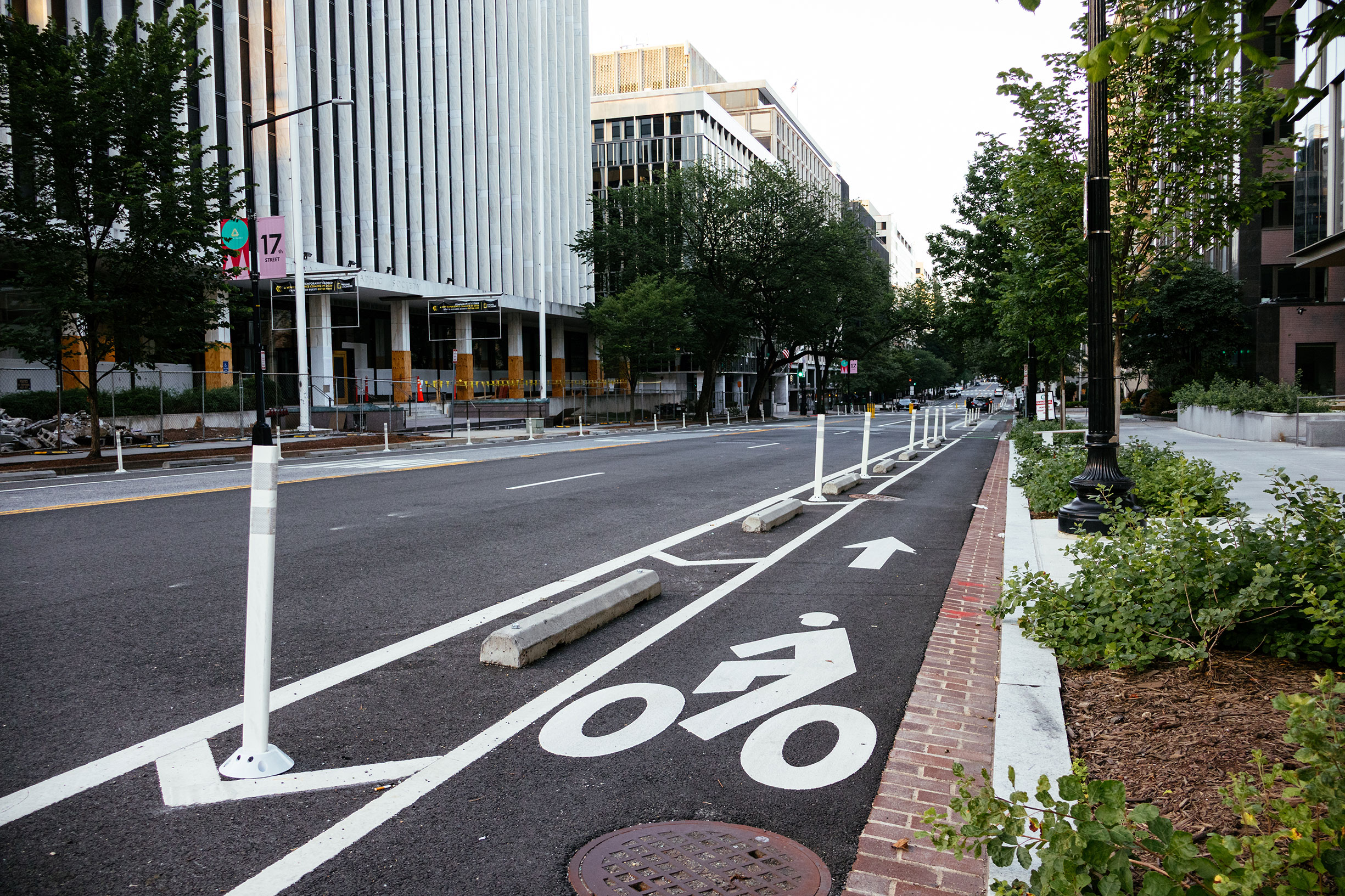
 Alternative Transportation
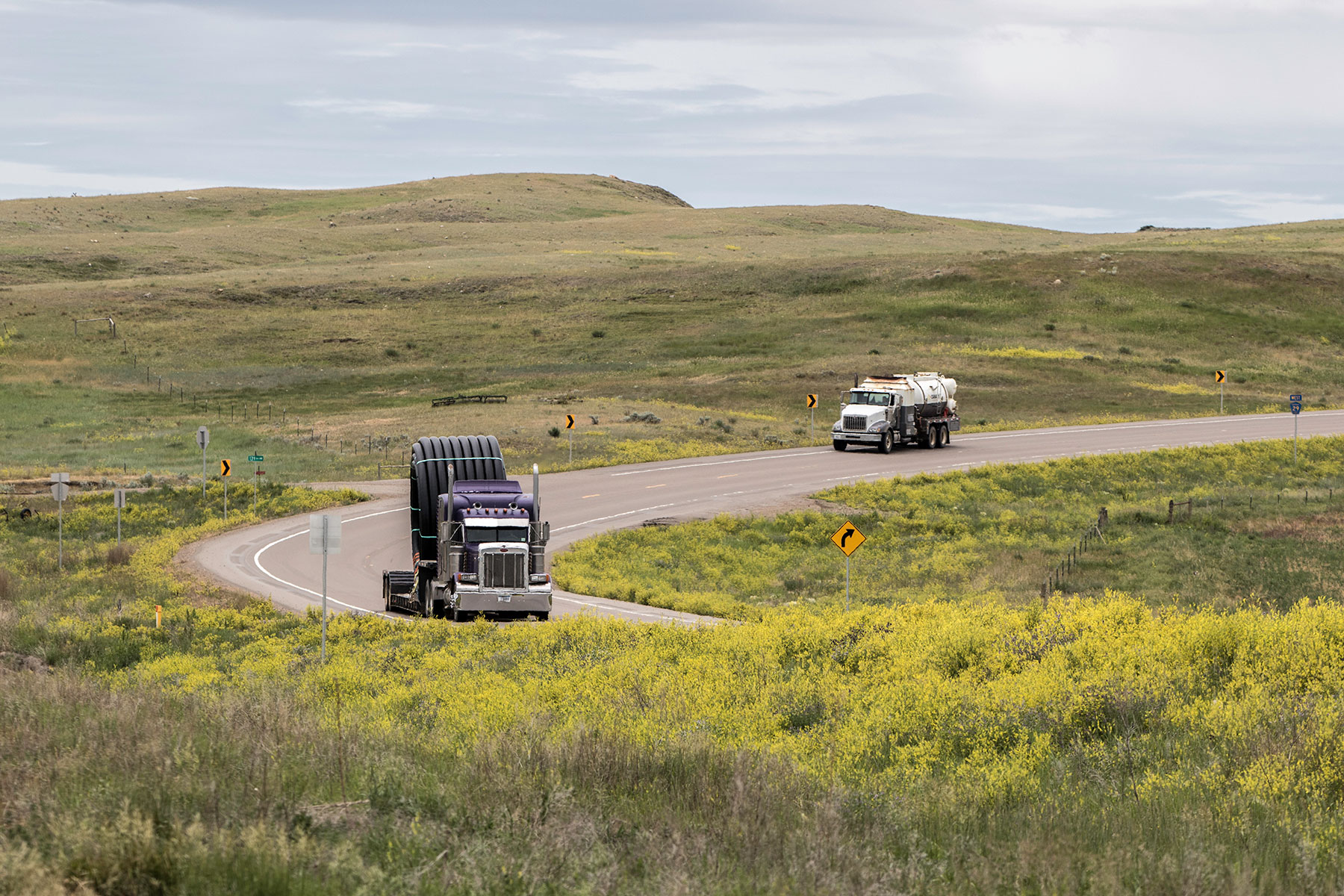
 Freight
 DMV & Registration Services
 Snow & Ice Control
 Maintenance
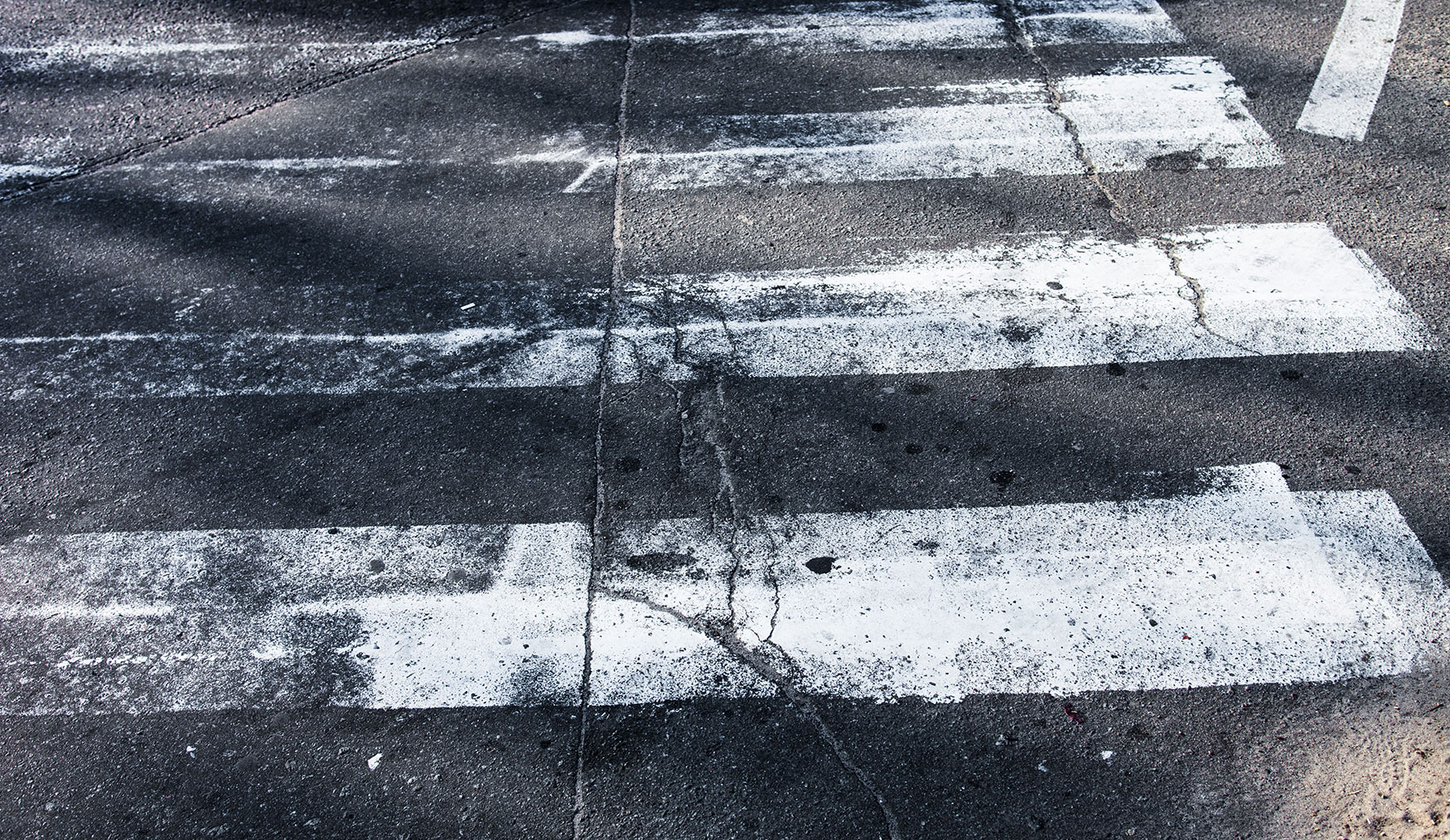
 Safety
 Local Grants
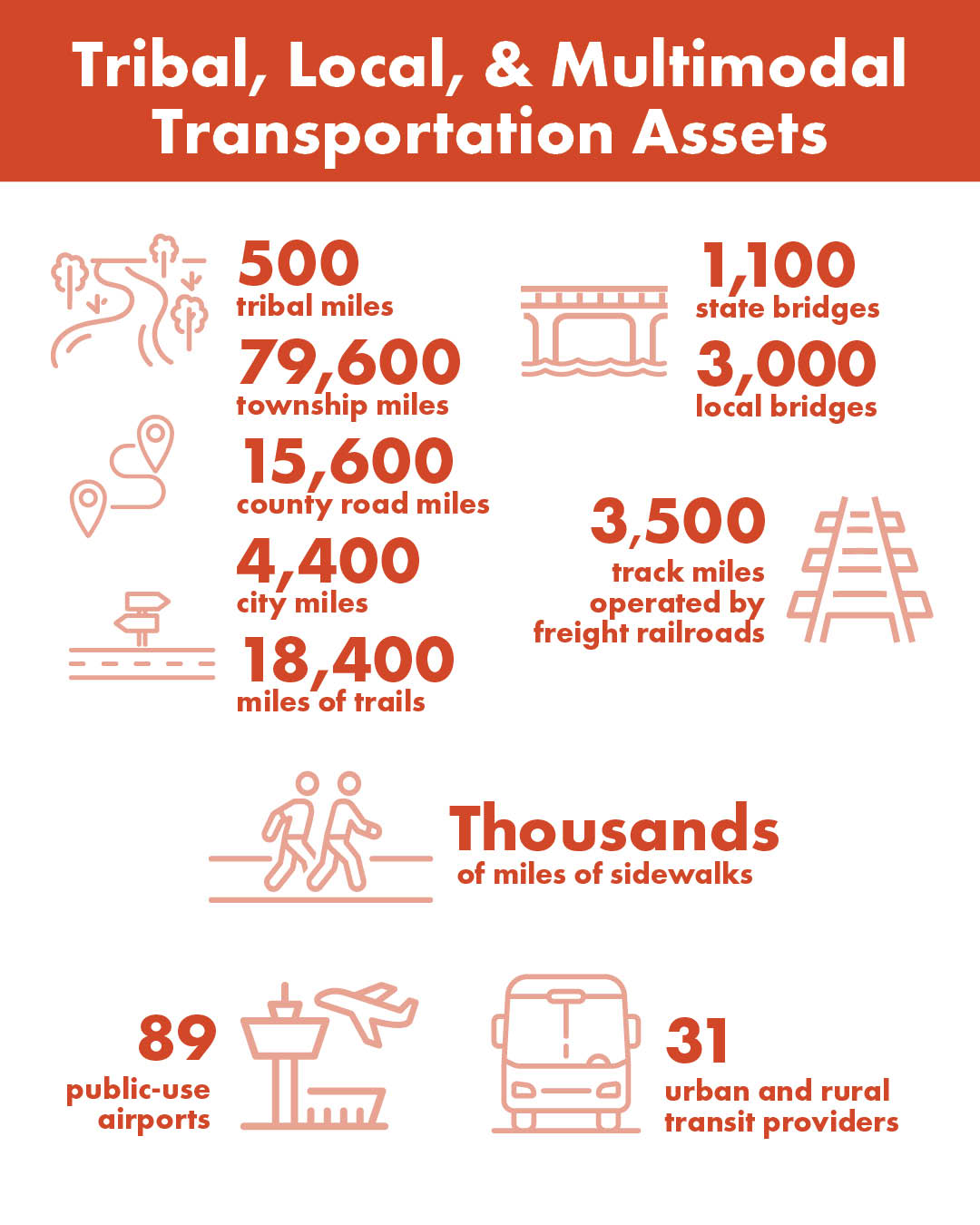
A 2024 Upper Great Plains Transportation Institute study estimates $12.36 billion in local road and bridge needs over the next 20 years, highlighting the scale of future transportation investment required statewide.
Your Monthly Costs
See how your monthly transportation costs stack up against typical household expenses.
You currently pay (per month):
Federal fuel taxes
$8.79ND fuel taxes
$4.22ND registration fees
$1.15Transportation Costs vs. Household Expenses
See how your monthly transportation costs stack up against typical household expenses.
Energy bill
Phone bill
Internet bill
Streaming media bill
Federal/State gas taxes and registration fees
Activity

How does North Dakota compare?
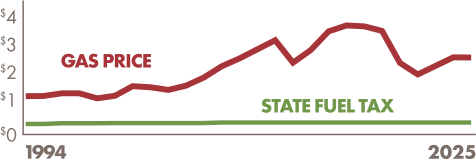
Although North Dakota’s gas tax rates remain relatively low compared to neighboring states, project costs are outpacing available funding, as state rates have been unchanged since 2005 and federal rates since 1993.
State fuel taxes stay the same even as gas prices rise and fall
How much does transportation cost?
Rising construction and service costs, along with increased travel demand, mean funding no longer goes as far as it once did.
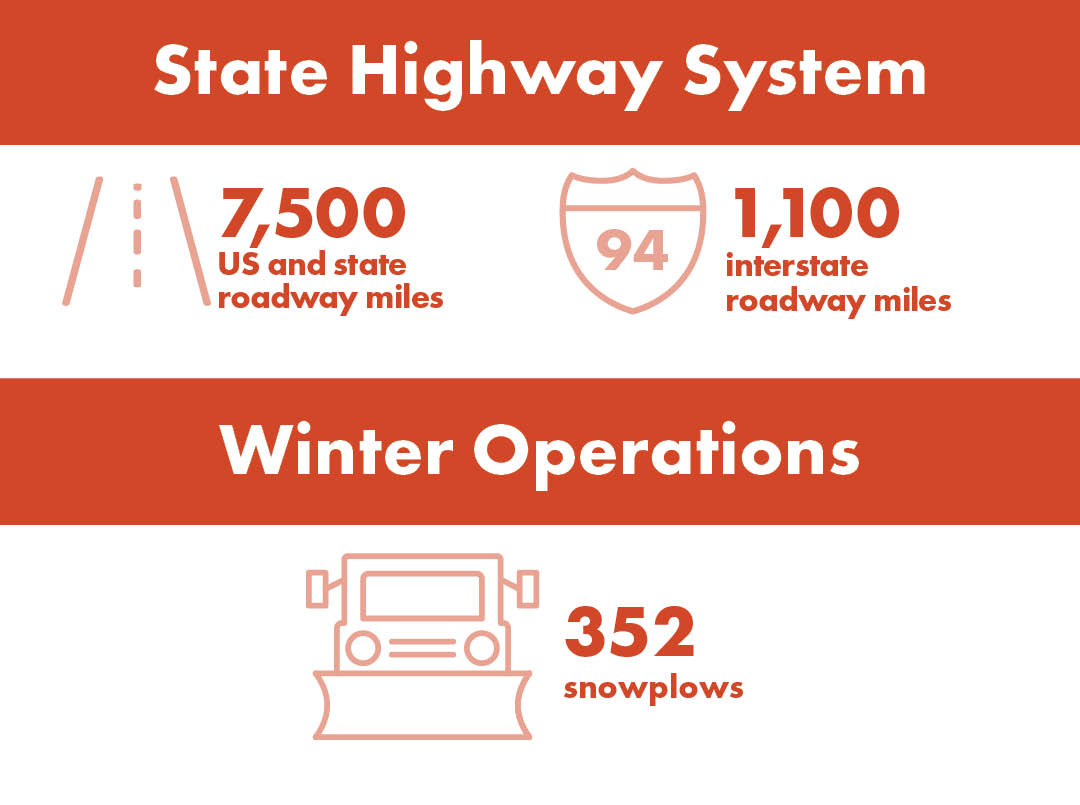
North Dakota has more than more than 8,600 roadway miles on its State Highway System. With the average preventive maintenance project costing $320k per mile, 20 to 30 percent of the State Highway Tax Distribution Fund must be spent on basic repairs each year. This does not count more extensive repairs for roads and bridges with higher levels of wear-and-tear or weather-related damage. Here are some examples of transportation system costs per project (based on 2024 data).
Current Costs to Build & Maintain
-
Snow and Ice Control
$27.1M Per Winter Season (October through May) -
Bridge Replacement
$4.3M Per Project -
Lighting, Signage and Pavement Markings
$250K Per Project -
Passing Lanes
$500K Per Project




For Each Mile
- Shared Use Path (New Construction) $3.1M
- Preventative Maintenance $320K
- Pavement Resurfacing $1.1M
- Major Roadway Rehabilitation $2M
- Interstate Concrete Paving $3.5M
Activity
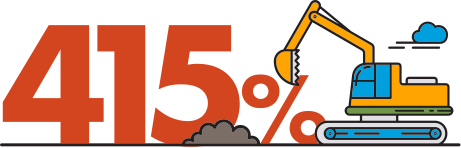
Since 2005, the cost of materials, equipment & services has increased by
Our funding challenges
Funding Gap in North Dakota’s Transportation System
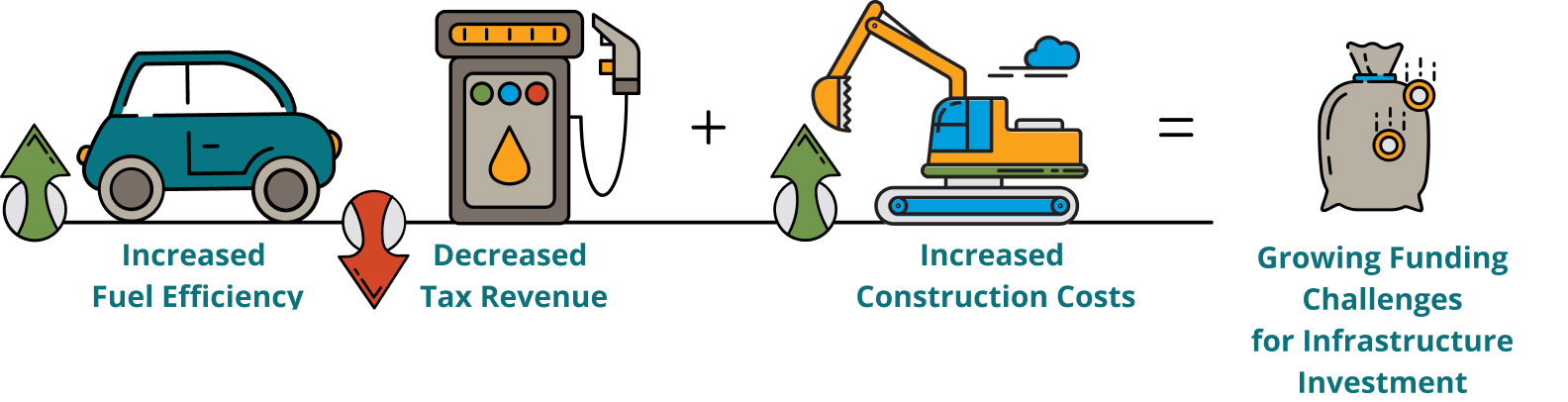
North Dakota’s transportation funding relies heavily on per-gallon fuel taxes and vehicle registration fees. As fuel efficiency improves, revenue declines. Maintaining current service levels over the next 20 years would require $24.6 billion, but projected revenues total only $10 billion—leaving a $14.6 billion shortfall.
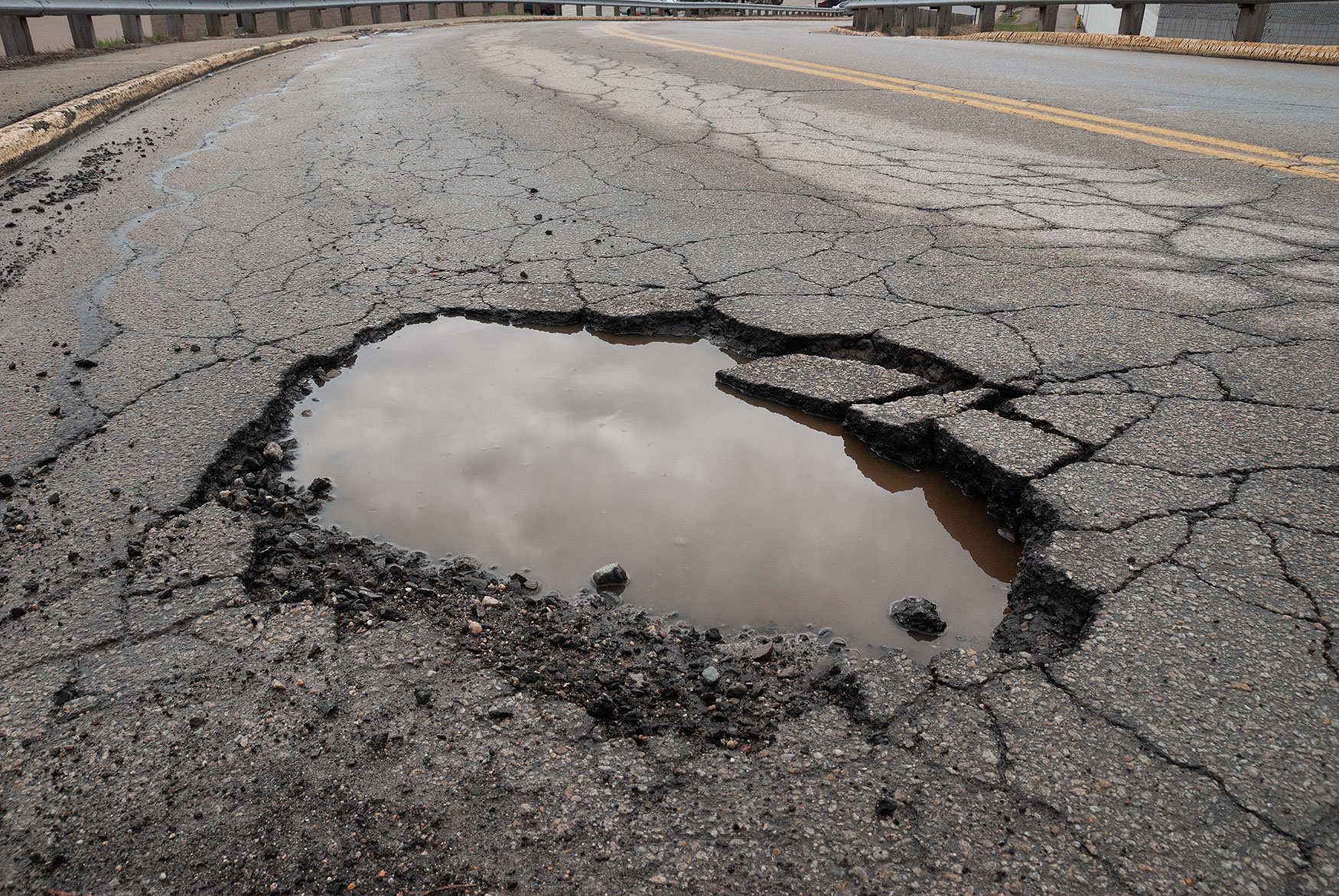
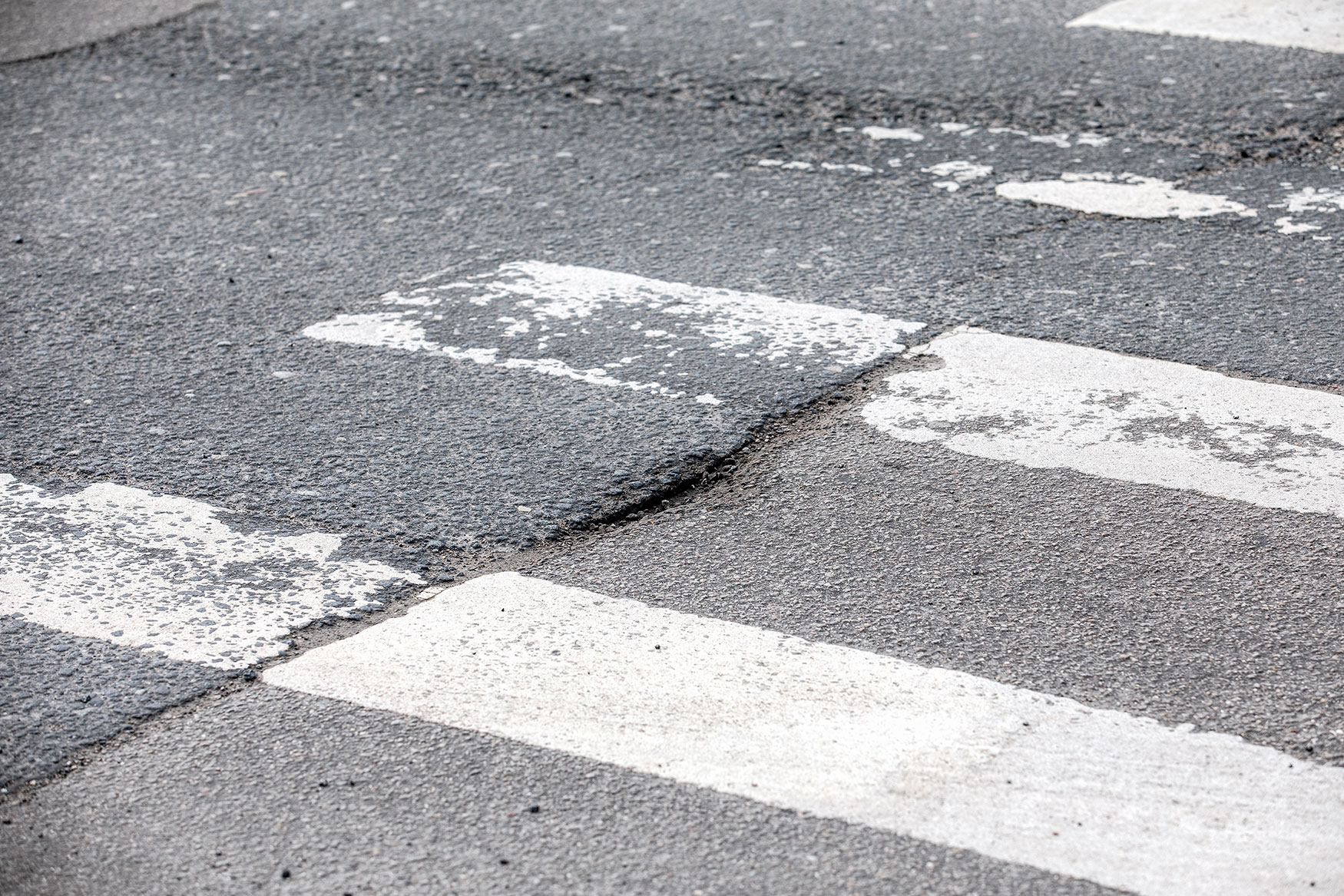
According to NDDOT’s 2025-2028 Statewide Transportation Improvement Program (STIP), North Dakota is planning more than $2.7 billion in transportation investments over the next four years. In the context of rising costs, NDDOT remains in preservation mode—focused on maintaining existing infrastructure—but limited resources mean the system is deteriorating faster than it can be preserved.
Submit Your Investment Preferences
In the sliders below, either slide the green dot or click any dot to set your investment levels for each area, then see how your choices compare to current funding.
Your Investments vs. Total Budget
As you choose investments in each category, their costs are added together and displayed here relative to the total available budget.

DMV
How long am I prepared to wait?Cost: $13.1M
The average wait time at the DMV is 30 minutes and appointments take 7 days to schedule. Existing kiosks that provide license plate renewal registration cards and motor vehicle tabs are repaired and updated once every 5 years. Online services experience regular outages.
Cost: $13.5M
The average wait time at the DMV is 21 minutes and appointments take 5 days to schedule. Existing kiosks that provide license plate renewal registration cards and motor vehicle tabs are repaired and updated once every 3 years. Online services are restored when service outages exceed 60 minutes.
Cost: $14M
The average wait time at the DMV is 10 minutes and appointments take 3 days to schedule. Existing kiosks that provide license plate renewal registration cards and motor vehicle tabs are repaired and updated once every year. Online services are restored when service outages exceed 15 minutes.
Cost: $14.6M
The average wait time at the DMV is 6 minutes and appointments are scheduled the next day. Existing kiosks that provide license plate renewal registration cards and motor vehicle tabs are repaired and updated on a regular basis. Online services are restored whenever service outages occur.
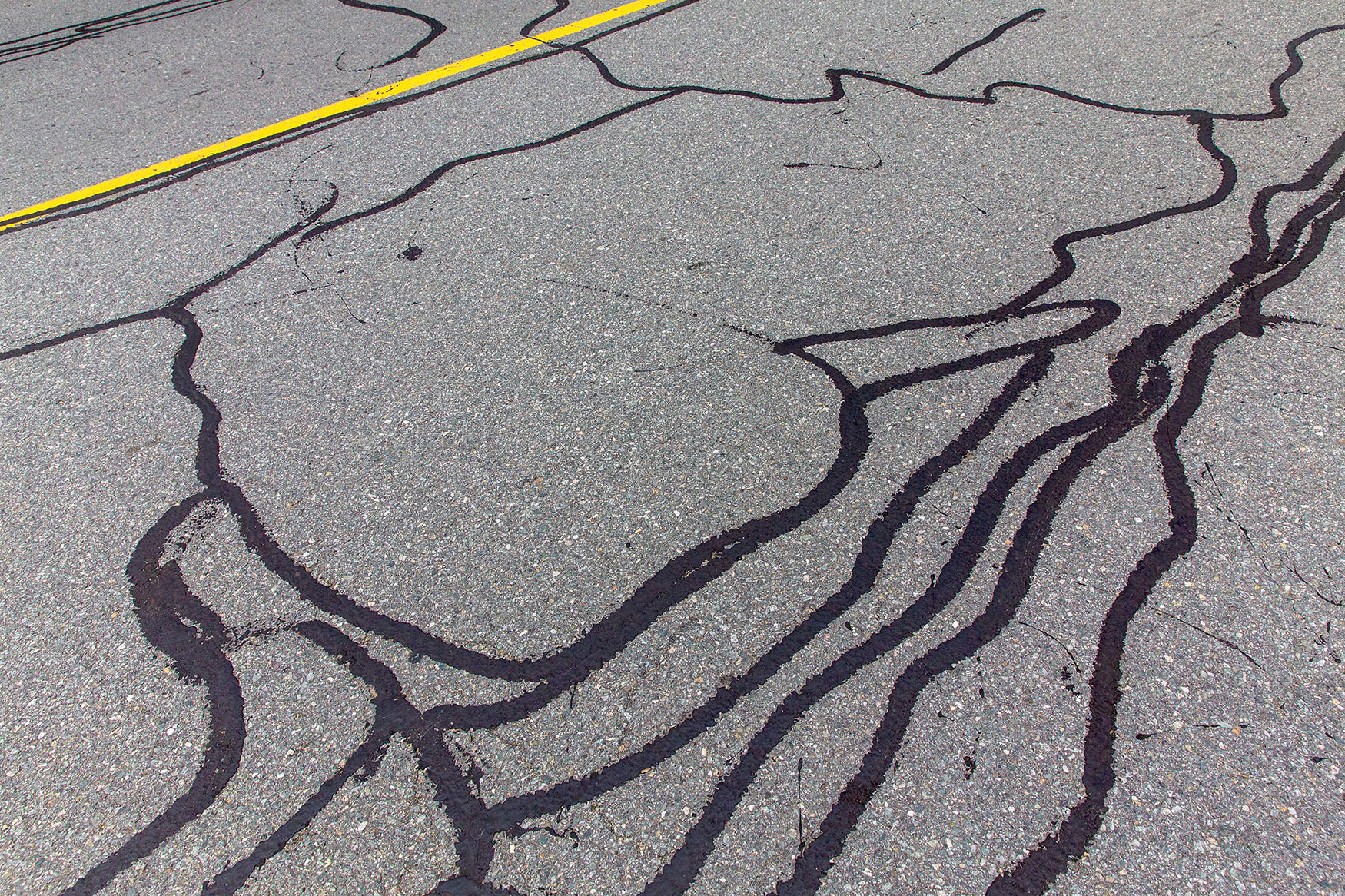

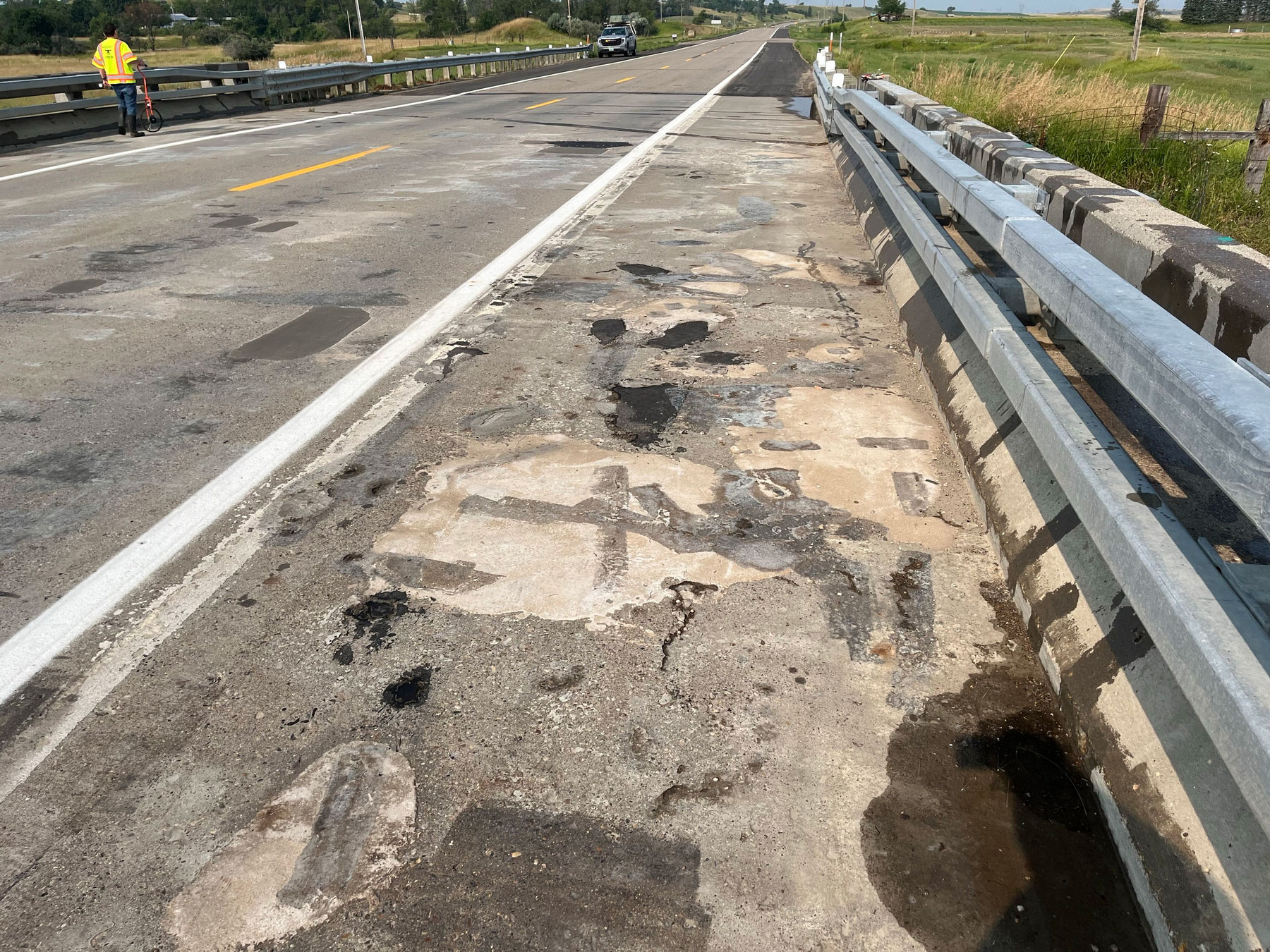
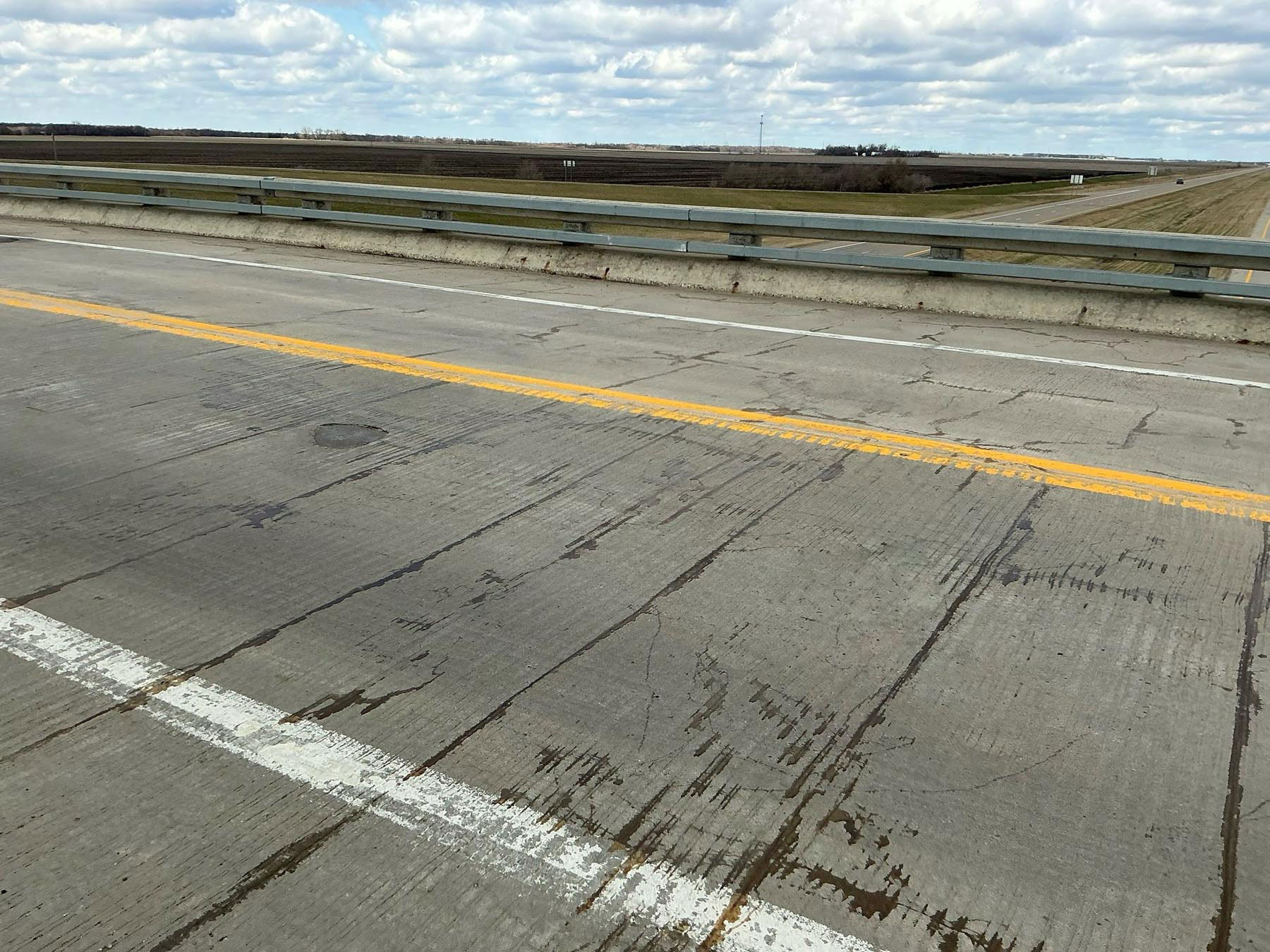
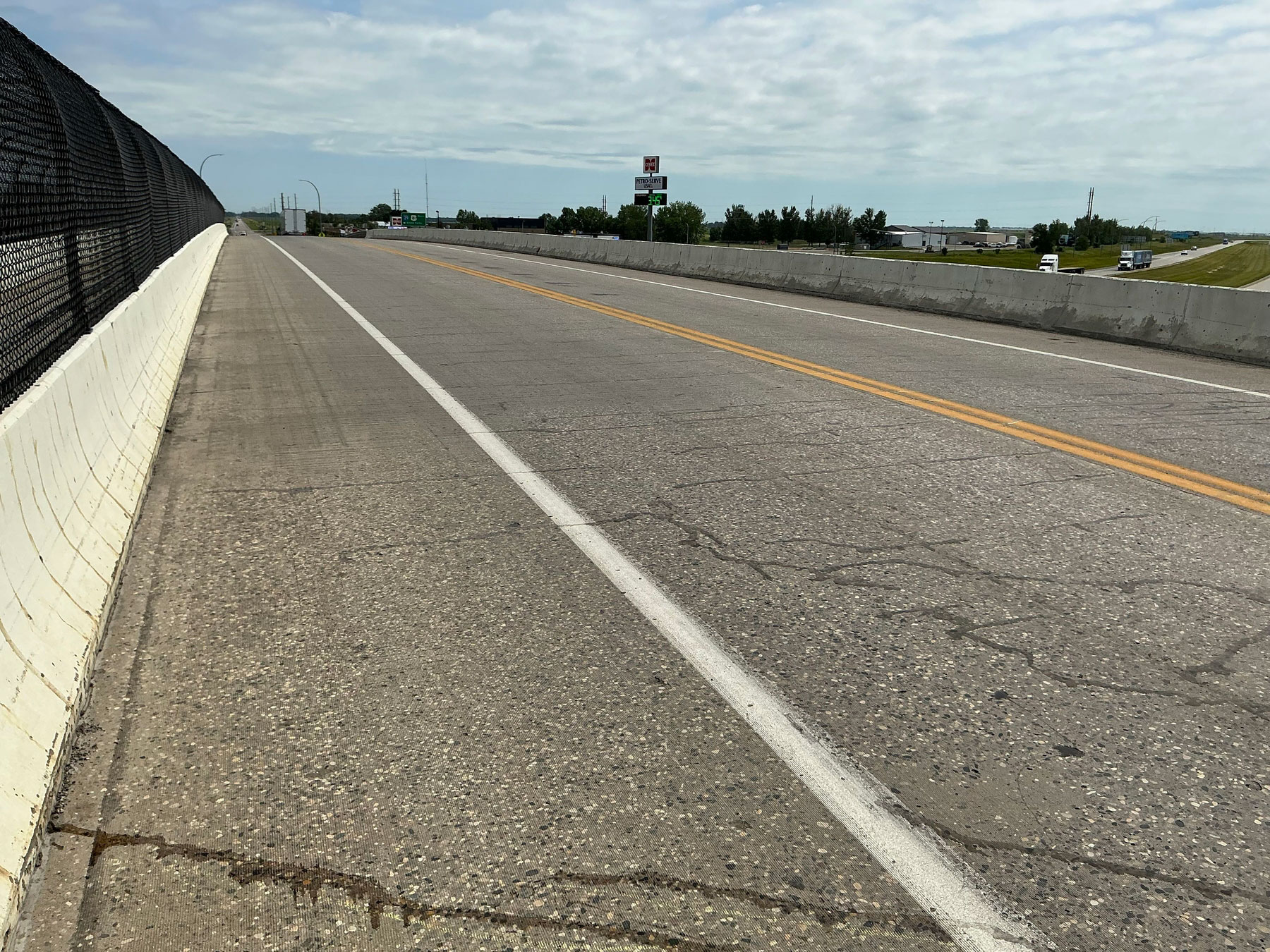

 Your Preferences Exceed the Budget by
$1.5M
Your Preferences Exceed the Budget by
$1.5M
 Your Preferences are under Budget by
$1.5M
Your Preferences are under Budget by
$1.5M
What’s the Future of Funding?
Ride share sales taxes, commercial vehicle fees, and mileage-based fees are not currently in place in North Dakota, but they represent opportunities other states are using to expand transportation revenue, which in turn helps support and maintain essential services statewide.

Ride Share Sales Taxes
These taxes address the impacts of ride-share vehicles on roads and congestion. Applied to trips with services like Uber, Lyft, or taxis, they can be charged per trip or as a percentage of the fare. Costs vary by trip distance, frequency, and timing, with current fees ranging from about $0.20 per trip to a standard sales tax rate.

Commercial Vehicle Fees
Common in many states but not used in North Dakota, these fees apply to vehicles used for business purposes. They’re typically based on a vehicle’s weight or age during registration renewal or issued through special plates or permits. Some states tailor fees to vehicle types such as trucks, trailers, or specialized equipment.

Mileage-Based Fees
These programs charge drivers by miles driven instead of fuel used, tying payments to actual road use. Participants report mileage via odometer readings or GPS and pay on a set schedule. Oregon’s pilot program charges 1.8 cents per mile and rebates state fuel taxes, benefiting less fuel-efficient vehicles.
Activity

Thank you & Next Steps
Thank you for your input and taking time to complete this survey! Your feedback will guide the plan update and shape the long-term strategy for transportation improvements in North Dakota. After the plan is adopted, a new implementation plan will outline how NDDOT will carry out the ideas and priorities shared by the public for the future of transportation in the state.
Project Schedule
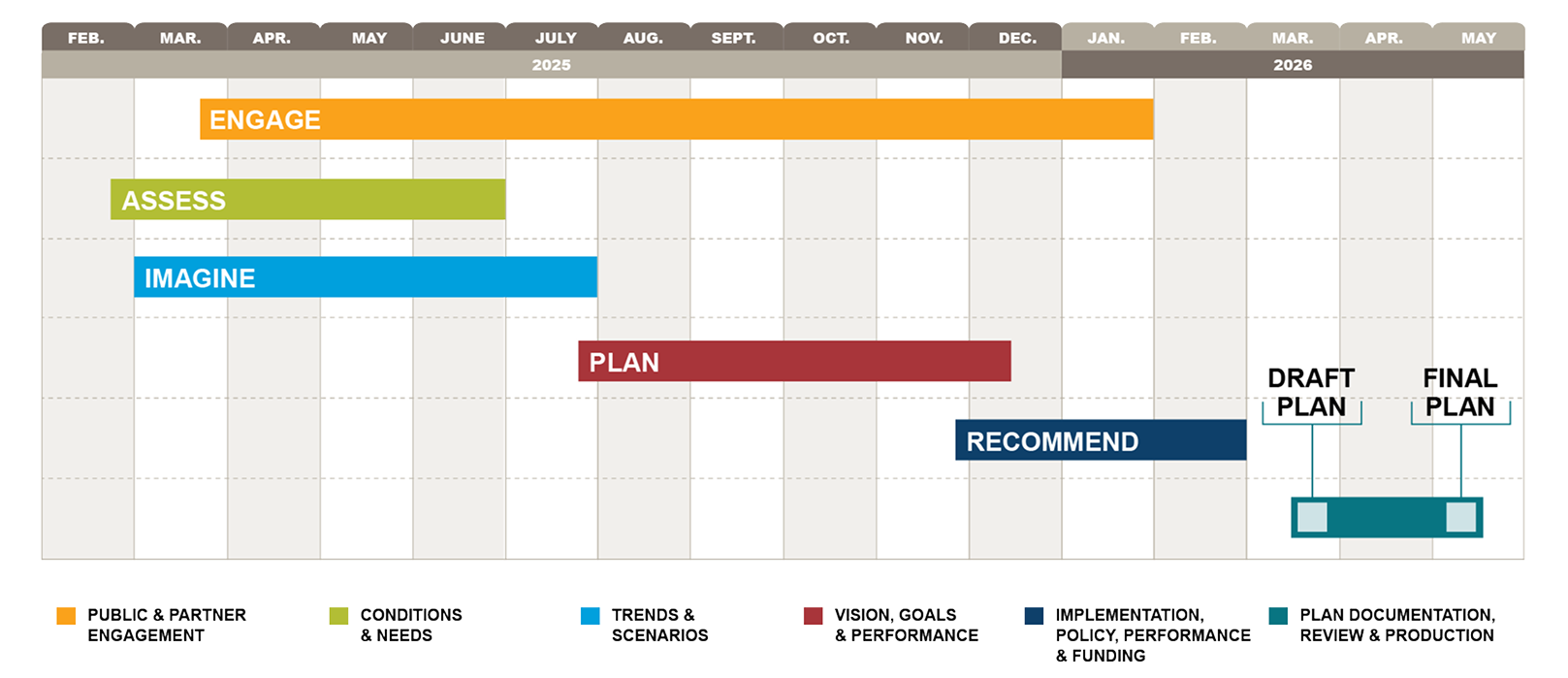
- Assess Conditions and Needs - February to June 2025
- Imagine Trends and Scenarios - March to July 2025
- Public and Partner Engagement - March 2025 to January 2026
- Plan Vision, Goals and Performance - July to December 2025
- Recommend Implementation, Policy, Performance and Funding - November 2025 to February 2026
- Plan Documentation Review and Production - March to May 2026 (Draft Plan prepared in March)